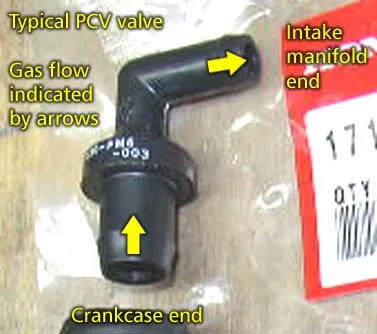
What a PCV valve actually does
Pop the oil cap on a street four and look at the valve cover. A rubber grommet. A hose. Sometimes a little can with a nipple. That is the PCV — positive crankcase ventilation. It is the only part of the ventilation loop you can usually pull with two fingers.
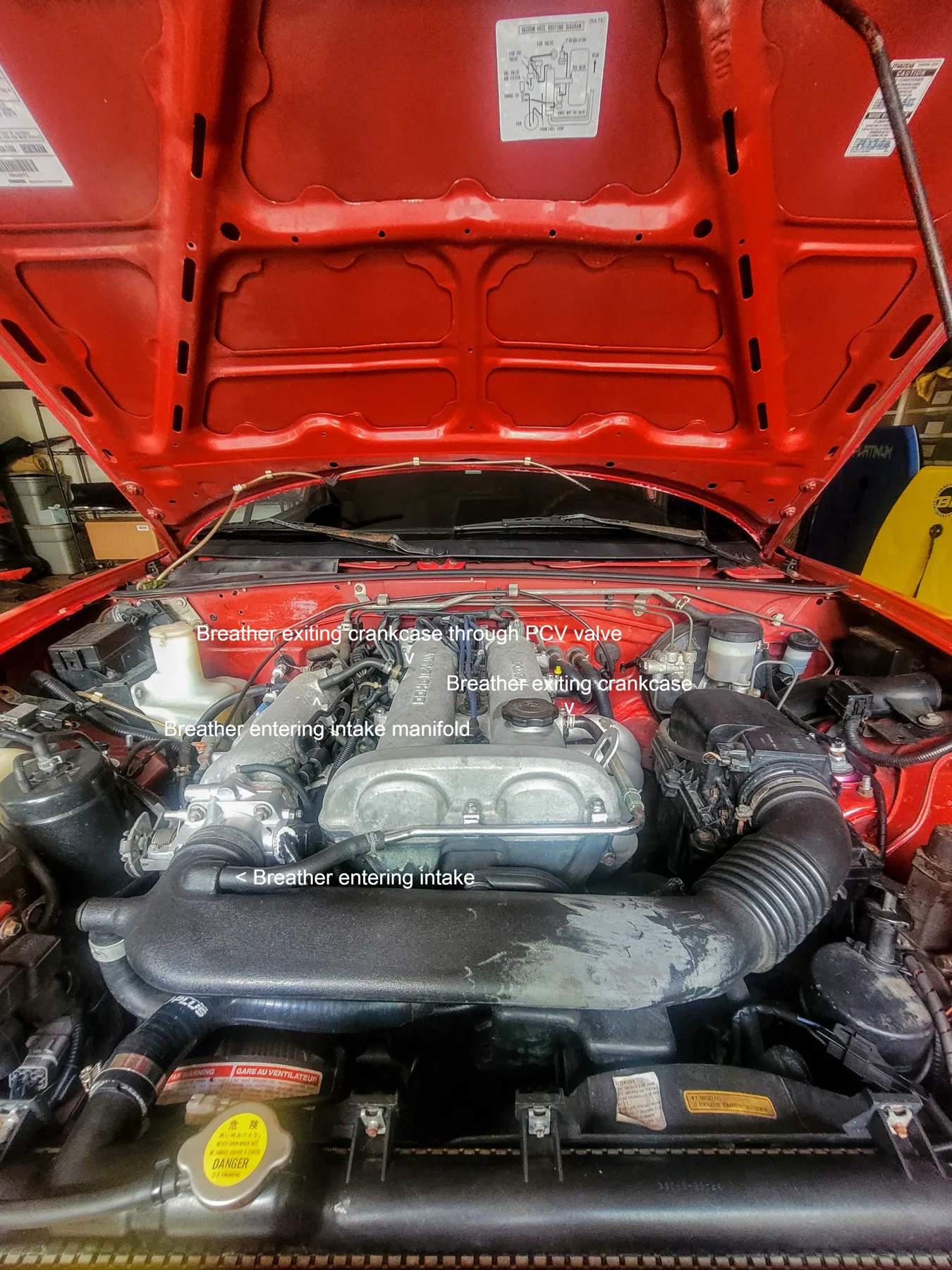
The rings do not seal the cylinder all the way. Every fire leaks a little combustion past them into the crankcase. That leak is blow-by: oil mist, unburned fuel, pressure. The crankcase is a box. If the pressure has nowhere to go, it walks the dipstick and finds a seal.
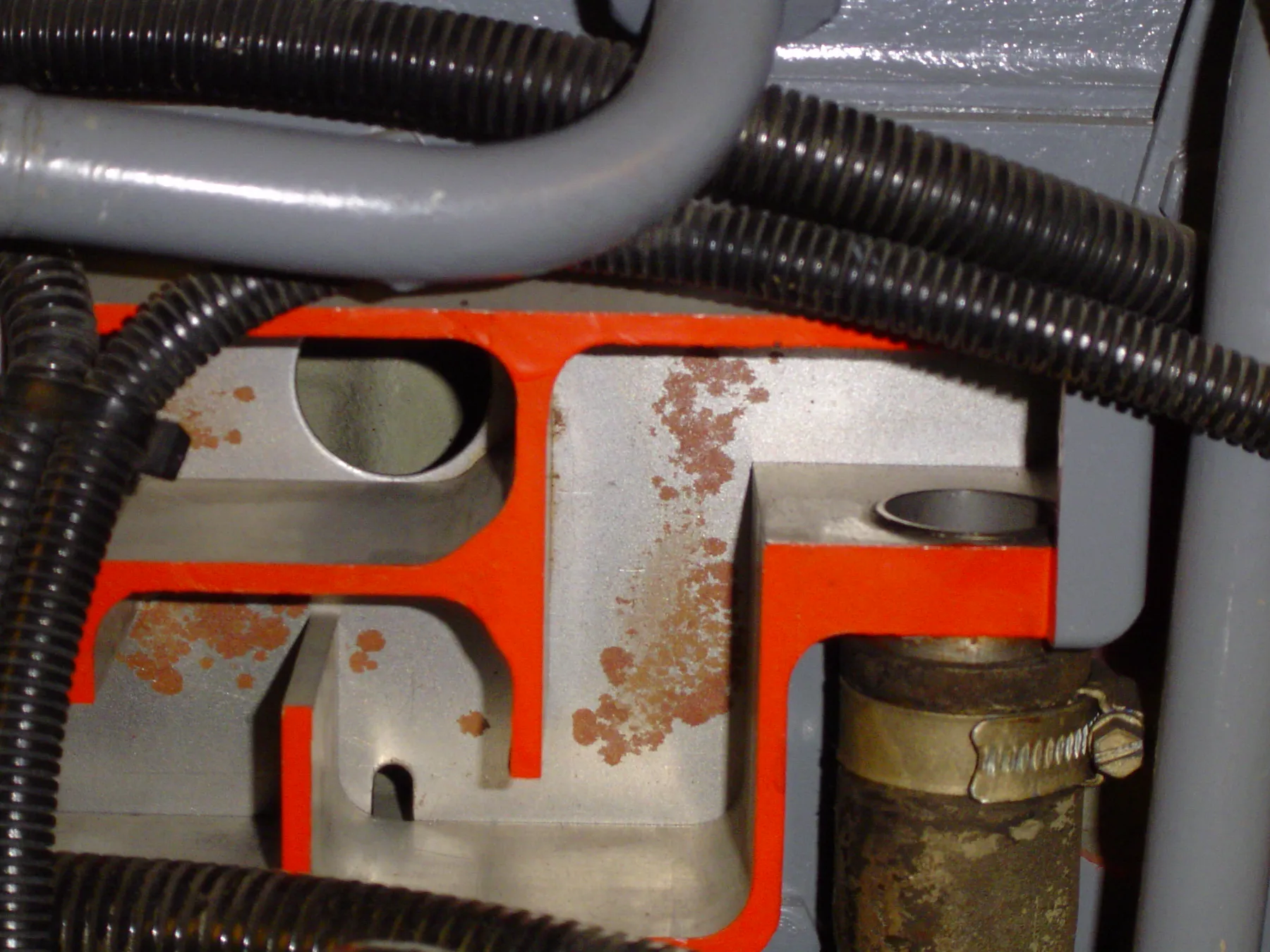
The valve is the meter, not a dump. Intake vacuum sits on one side. Crankcase pressure sits on the other. A spring and a pintle open just enough to let the mist through. That is the whole trick: a controlled leak into the intake, not a hole in the cover.
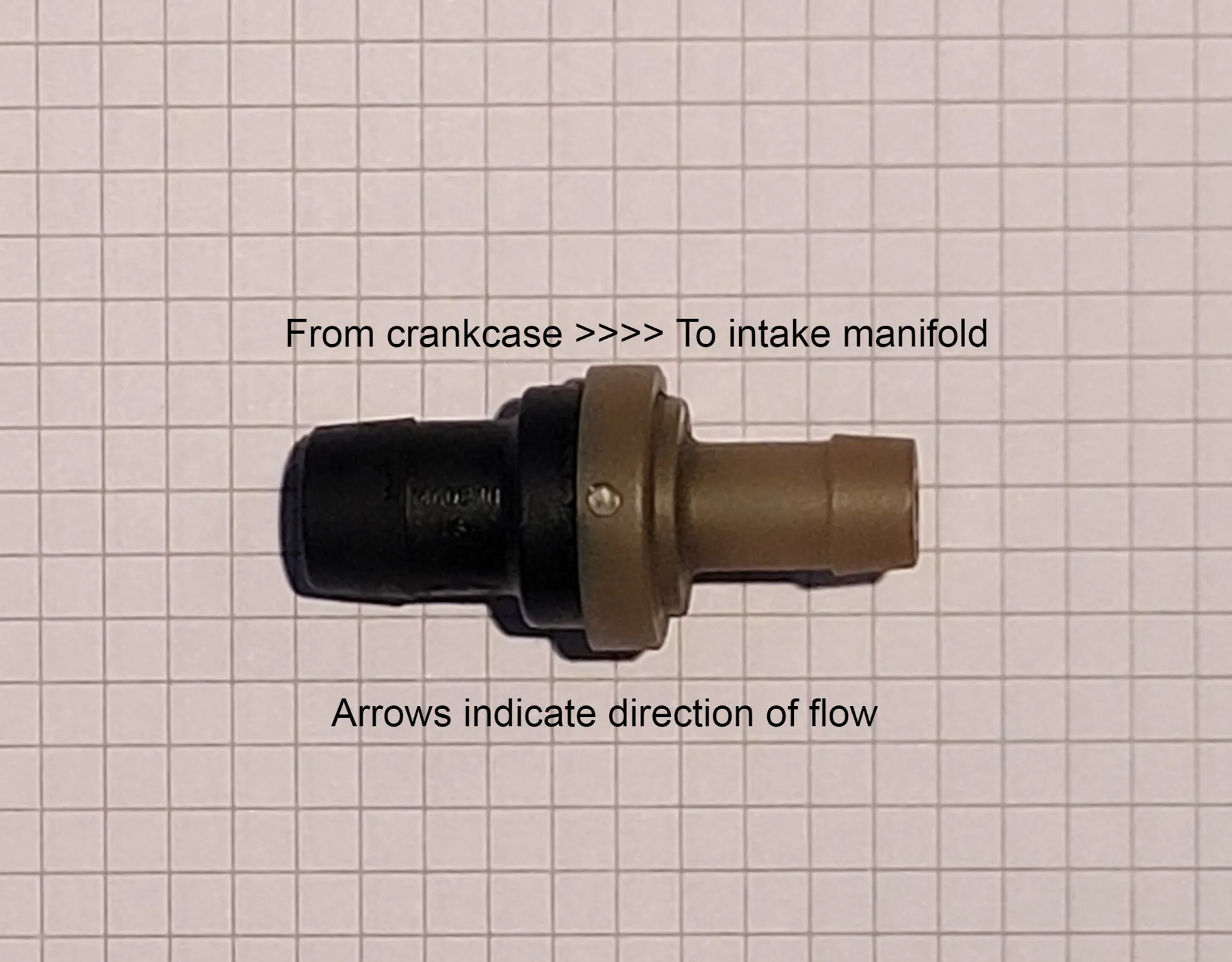
At idle the vacuum is high, so the valve pinches down. You do not want it sucking oil. Off idle it opens more and the flow follows. A backfire tries to go the wrong way and the pintle shuts. Fresh air usually comes in through a breather on the other cover so the box can actually breathe.
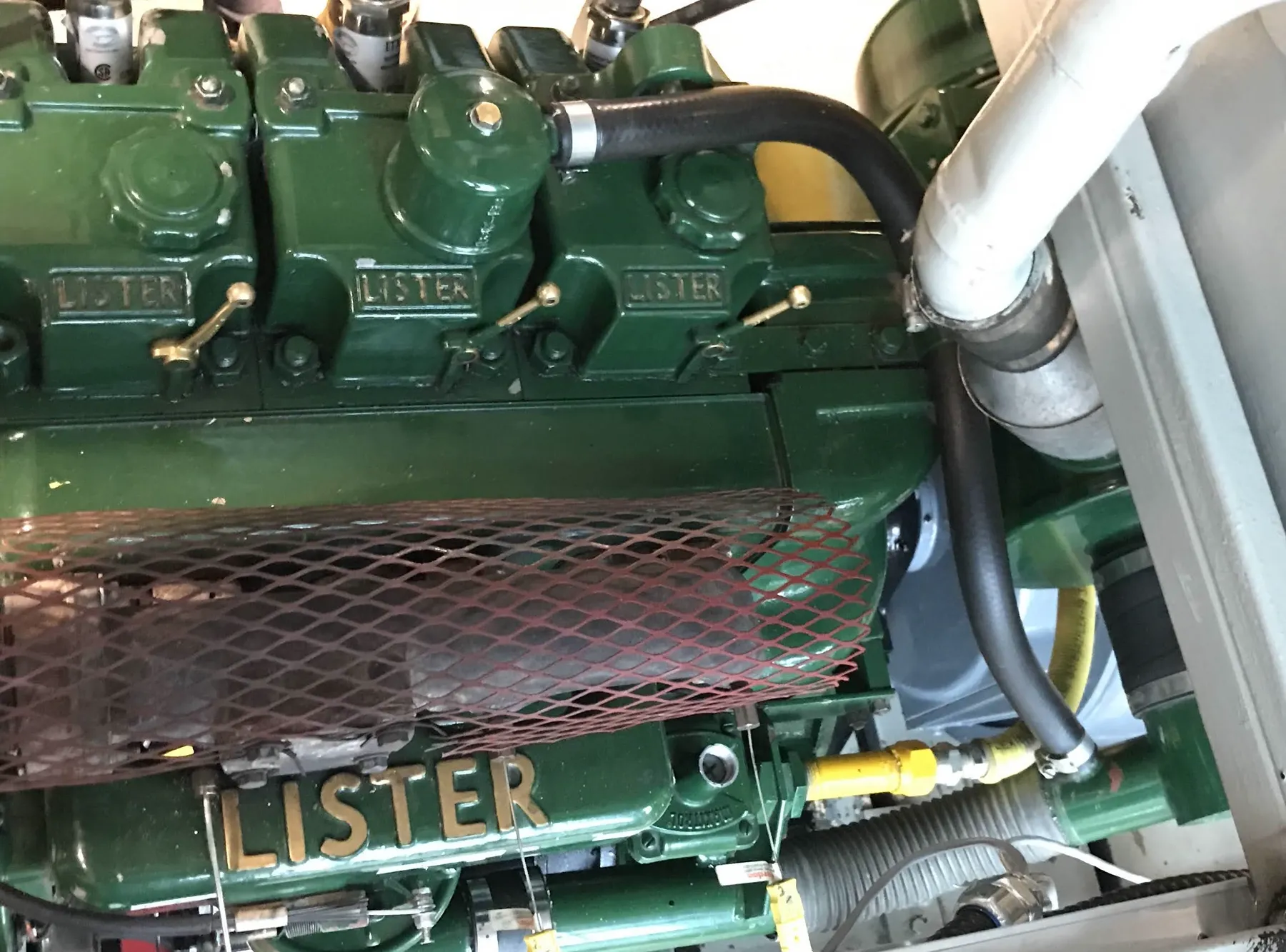
The mist goes into the intake tract and burns in the next fire. That is why it is positive ventilation: the engine eats its own blow-by instead of pushing it into the bay or past a cam seal.
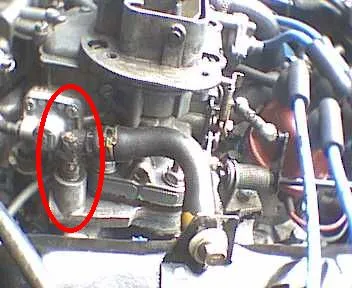
A valve stuck shut is a pressurized crankcase. Oil weeps. The dipstick walks. Stuck open is a rough idle and a hose that smells like fuel. Pull it and shake it. If it does not click, it is not metering.